Jungkook’s Candid Weverse Livestream on February 26, 2026 Sparks Debate Among Fans and Public
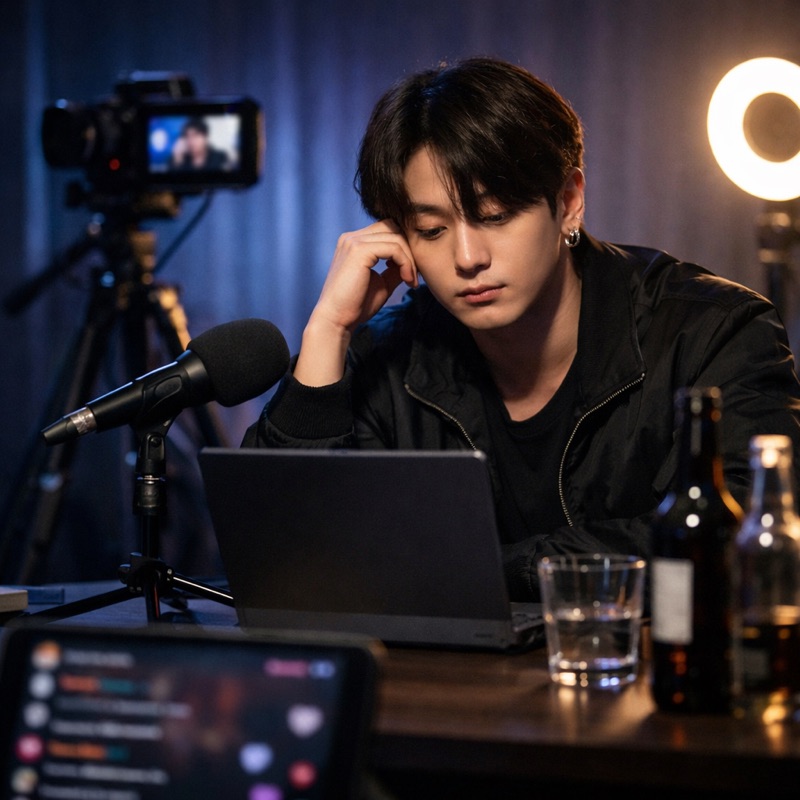
On the evening of February 26, 2026, Jungkook of BTS hosted a widely-viewed 1.5-hour livestream on Weverse that quickly became one of the most discussed moments in recent K-pop history. The session, which showed the artist in a visibly uninhibited state, covered a range of personal topics and drew intense reaction from fans, media, and industry observers alike.
What Happened During the Broadcast
The livestream began normally but soon took on a raw and unfiltered tone. Over the course of the session, Jungkook addressed several controversies, lifestyle topics, and his relationship with fans and his agency, HYBE.
One of the central themes was response to criticism. Jungkook defended his personal choices, including his decision to drink and smoke, saying variants of “I’m 30 now — can’t I talk about cigarettes?” Acknowledging his age and agency obligations, he maintained that honesty was important to him, even if it clashed with traditional expectations for idols.
At times, the broadcast became tense. He used explicit language while interacting with people off-camera and brushed off fans urging him to wrap up the livestream, responding, “Don’t tell me what to do,” which triggered conversations about boundaries between artists and fan communities.
Jungkook also spoke about his stance toward HYBE, expressing a desire for greater artistic autonomy. He mentioned that if he were an independent musician, he would “say everything” without restriction, suggesting that the pressures of a major label structure can feel limiting.
Despite the emotional and candid nature of the session, Jungkook reassured listeners about his professional commitments. He confirmed that new music is on the way and emphasized that he remains committed to his work and the upcoming BTS projects.
Public and Fan Reaction
The livestream quickly became a focal point for debate across the K-pop community. Opinions have broadly fallen into two camps:
Some fans and commentators praised Jungkook’s frankness, viewing it as a progressive break from the highly regulated image management typically expected of idols. They argued that transparency about personal struggles and choices can foster healthier fan-artist relationships.
Others expressed concern about his well-being, both emotionally and physically, worrying that the tone of the livestream could indicate stress or burnout. This discussion has taken place alongside broader conversations about mental health in the industry — particularly after Jungkook publicly shared his ADHD diagnosis in September 2025.
Broader Implications
The incident has sparked a wider cultural conversation about authenticity, privacy, and the pressures facing artists in highly commercialized entertainment environments. While some see Jungkook’s livestream as a moment of liberation from rigid idol norms, others caution that public vulnerability can be misinterpreted or put unnecessary strain on performers.
Industry analysts note that as idols mature and personal identities evolve, expectations from both management and fandoms must adapt. The balance between artistic authenticity and professional image will likely remain a key discussion point as BTS and its members continue into the next phase of their careers.


Comments